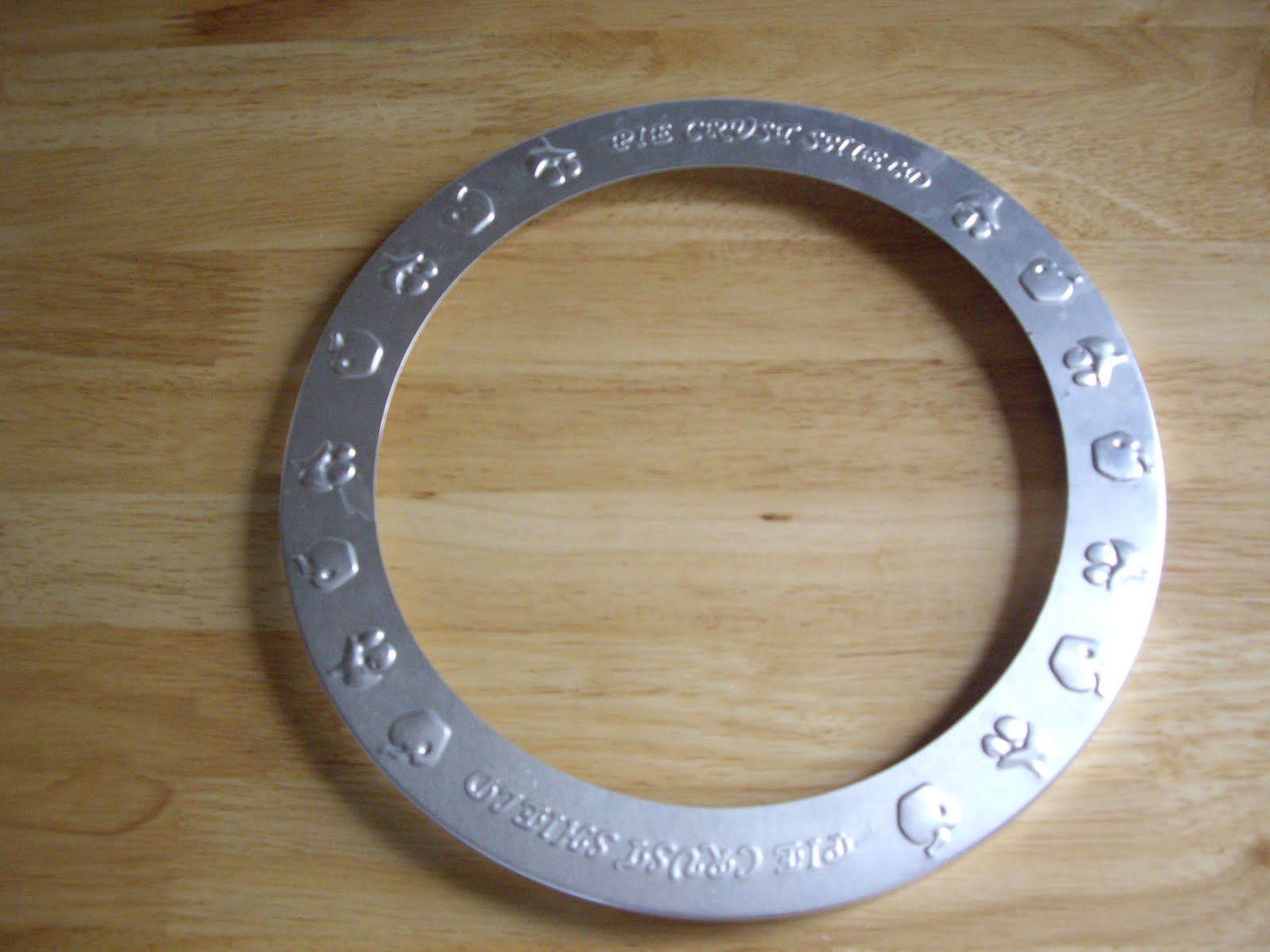
Shielding Your Pie

This is a pie shield.
Many times when you bake a pie the directions tell you to use a foil ring for part of the baking time.

What is the purpose?
Sometimes the crust can get too dark before the pie is fully baked.
Covering the outer edges of the crust will help prevent this.

Is this important?
It can be.
Depending on the type of crust you make and if you use an egg or milk wash.

Pie crusts made with shortening normally do not darken at all, unless they have been brushed with an egg wash or milk to add color.
So, when making a plain shortening crust you probably can skip using the foil ring.

If you make a crust with butter or any dairy products, the crust will darken so having a foil ring can be necessary.
Also, use one when you have brushed the top of the crust with egg wash or milk.

You can make a foil ring by taking a long strip of foil and shaping it into a ring that will cover the outer edges of the pie.
Another easier solution is cutting a hole on the bottom of a disposable foil pie plate.
I have done this and it works well.
Another even easier thing to do, is to buy a pie shield. They are a good idea if you bake a lot of pie. It is just a ring of metal you lay over the pie. You can get one of these for about $5 or so.
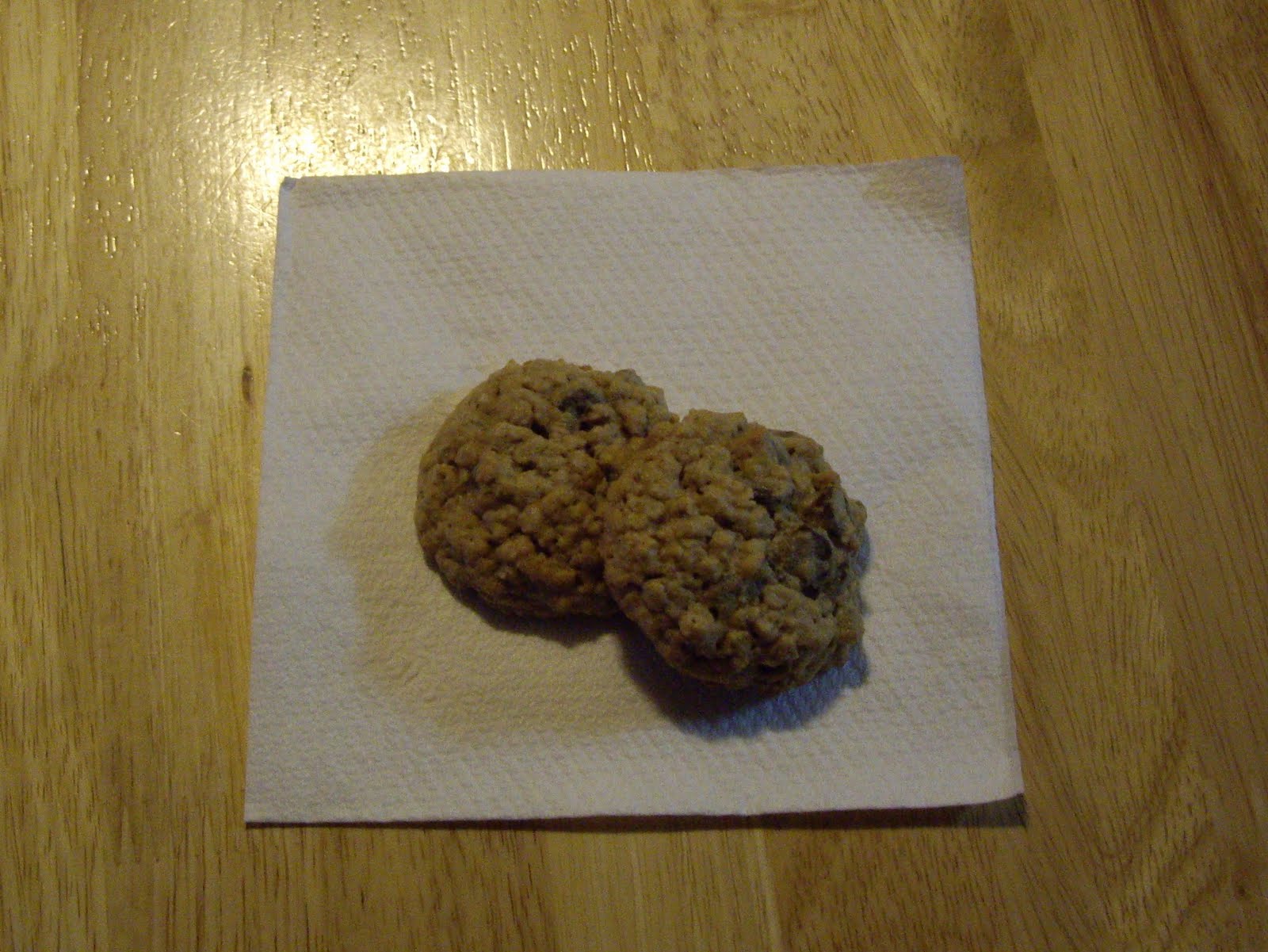
Nutty For Oats Cookies

Nutty for Oats Cookies are gluten free. The only flour like ingredient is ground rolled oats.

Oats do not contain gluten. At one time it was thought that they did, but they do not. However, there may be cross contamination so if you need to be gluten free, use gluten free oats.


These are wonderful cookies. They are made with peanut butter,rolled oats, and chocolate chips.
They are nice and soft too.
 
Preheat your oven to 350 degrees Fahrenheit.
Grease cookie sheets.
 
Ingredients:
 
2/3 cup smooth peanut butter
4 Tablespoons unsalted butter, softened
3/4 cup packed brown sugar
1 teaspoon vanilla extract
1/2 teaspoon salt
1/4 teaspoon baking soda
2 eggs
1 cup rolled oats, ground to a powder in a food processor or blender
1-1/2 cups rolled oats
2 cups chocolate chips
 
In a bowl, cream the peanut butter, butter,vanilla extract, salt, and baking soda.
Add the eggs.
Stir in the ground oats, rolled oats, and chocolate chips.
Using a medium cookie scoop or a spoon drop tablespoons of dough onto cookie sheets.
Bake for 11-13 minutes until they are just barely set and starting to brown around the edges.
Let the cookies cool on the sheets before removing them to a rack.
 
Makes about 3 dozen cookies.
 

Making Your Own Broth

Many recipes I have come across for broth mention putting all kinds of vegetables in with the meat and water to make broth.

But, you don’t have to do that.

Making your own broth is very simple and can be frozen to use any time you need it.

I love making broth when I have a leftover turkey or chicken carcass.
There is always meat you can not get off the bone.

Once you get all the meat you can off the bones, stick the bones in a large pot.
Usually a 4-5 quart dutch oven is big enough.

Now season it heavily with salt and pepper.
Also any other seasons you may like.
I like to add garlic powder and parsley when I am making chicken or turkey broth.
Season enough that the smell is pretty fragrant.

Now, cover with water and bring to a boil.

Turn the heat down to medium-low and cover.

Let it cook for 2-3 hours.

Strain out the bones, skin, and any meat.

Cool and use or refrigerate/freeze for later use.

For pork or beef, I love making broth when I am going to be cooking the meat for another meal.
Just season with salt and pepper and follow the same method as outlined above.

Biscuits and Sausage Gravy

Biscuits and sausage gravy is comfort food.
Plain and simple.
Make it for breakfast or supper. It’s all good.

Ingredients:

Batch of biscuits, either homemade or store bought
1/2 pound ground breakfast sausage
1/4 cup water
salt and pepper
1 cup milk
2-3 Tablespoons flour

Make your biscuits.
While they are baking make your sausage gravy.
In a heated skillet add the sausage and water. Season with the salt and pepper. Cook the sausage and break it up into crumbles.
In a jar, add the milk and flour. Cover with a tight fitting lid and shake.
When the sausage is all browned and the liquid in the pan is bubbling, push the sausage to the sides of the pan and pour the milk/flour mix into the skillet.
Stir constantly until the gravy bubbles and thickens. If it thickens too much too fast add a little bit of milk. If it is too thin, turn down heat and cook until as thick as you would like.

Serve.

You will get enough to serve 3-4 people.

Potatoes O’Brien


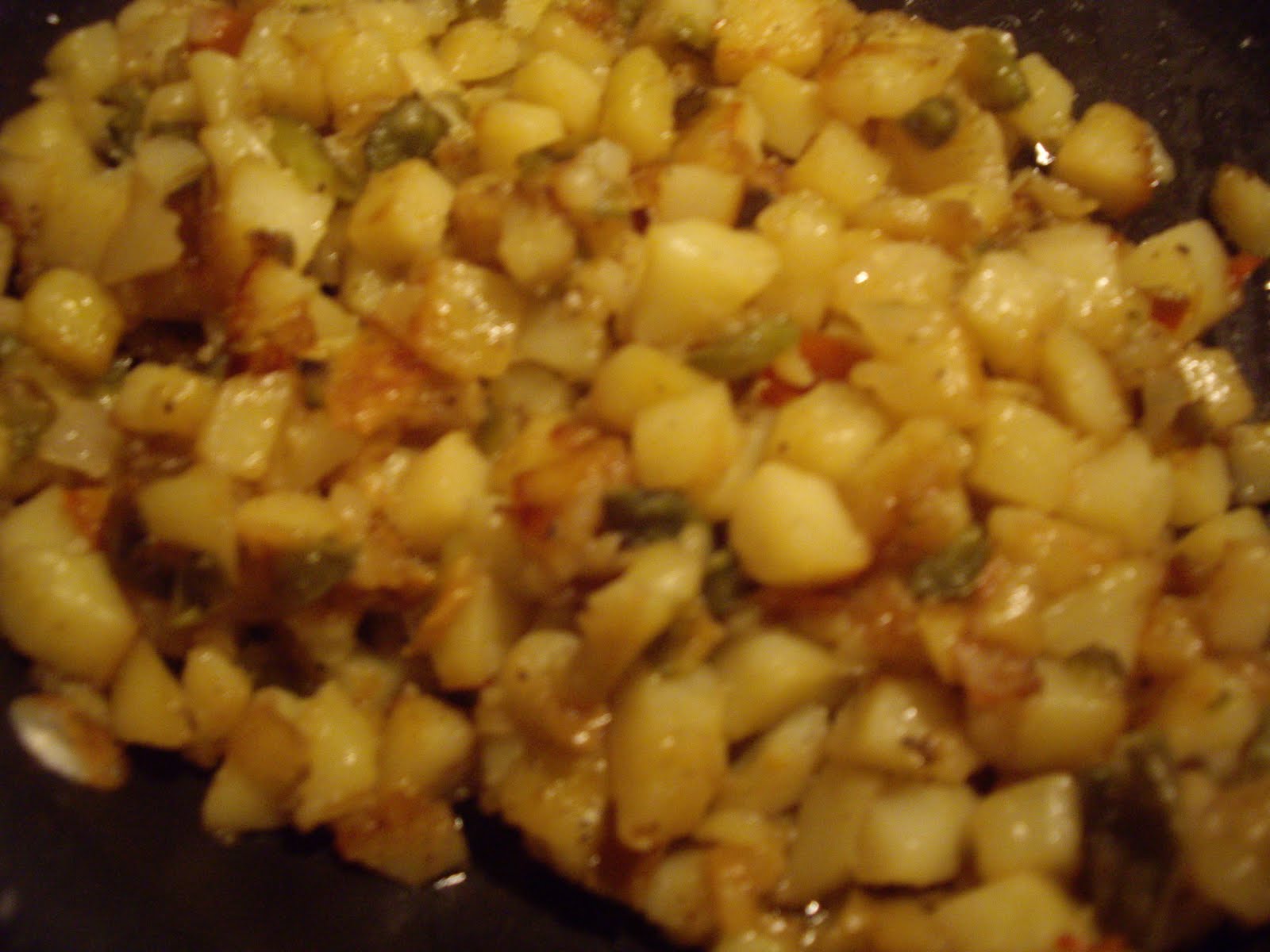
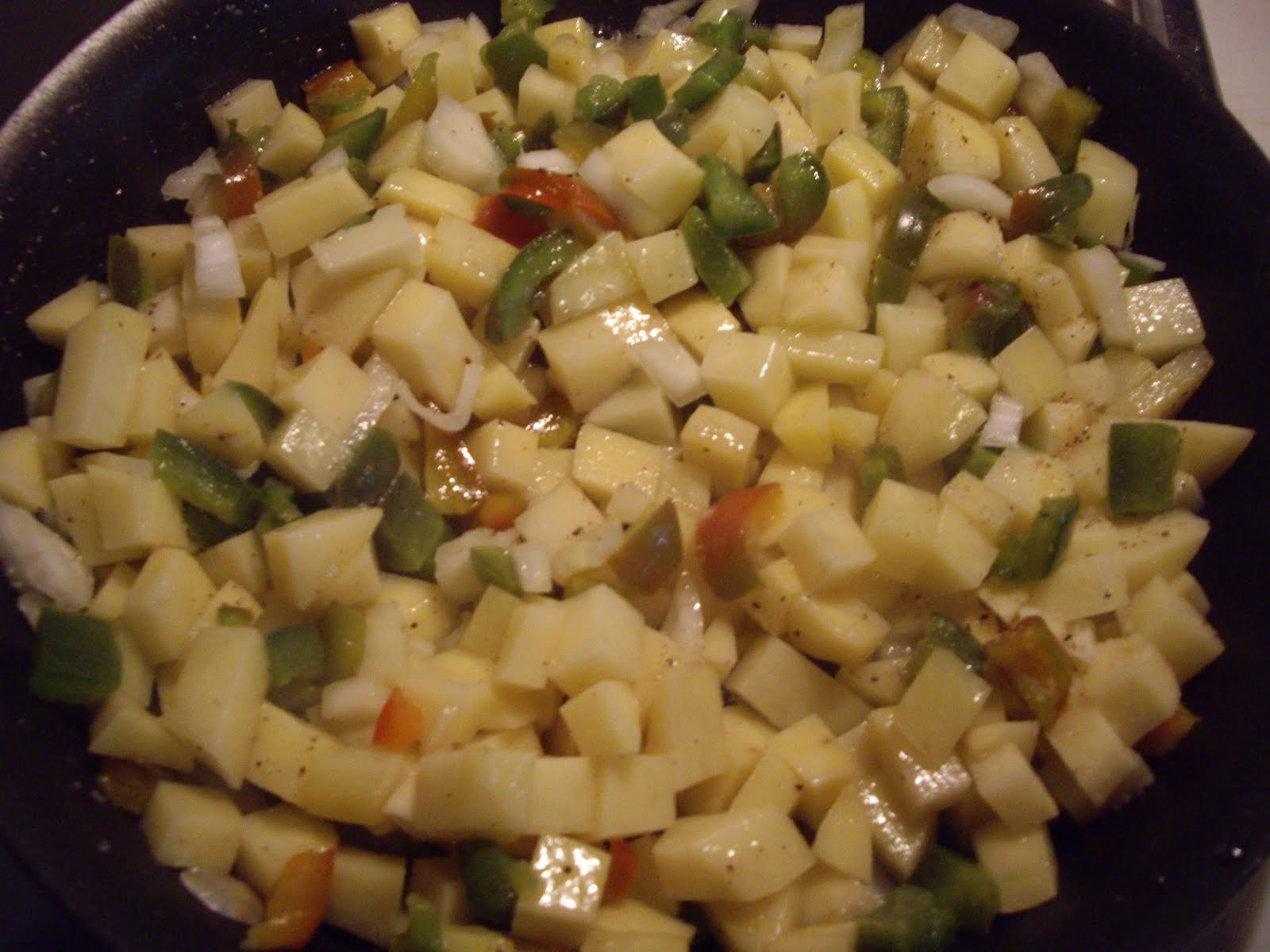
Potatoes O’Brien are fried potatoes with peppers and onions.
I don’t really like fried potatoes and onions, but add in the peppers and I just love them.

Ingredients:

4 medium size potatoes, chopped. I prefer Yukon Gold or Russet.
1/2 cup chopped green pepper
1/2 cup chopped red pepper
1/2 cup chopped yellow onion
salt and pepper to taste
2-3 Tablespoons cooking oil

Peel the potatoes before chopping if you want.
In a 10″ or 12″ skillet heat the oil over medium high heat.
Add the potatoes, onions, and peppers to the skillet.
Season.
Sauté and stir frequently until potatoes are done.
Turn the heat down if needed so potatoes don’t burn.

If red pepper is not available, use all green.


Going Gluten Free – Part 2

There is just so much information about cooking gluten free that I decided to make a part 2.

I found this great chart to help substituting types of gluten free flour for all purpose flour.
You can go to the Celiac Sprue Association for the whole chart.

This is great, but sometimes you just have to do your own experimenting.

Some great tips to remember:

Pea, bean, and lentil flours can be use as direct substitutes for wheat flours, but you will need to add egg whites or cottage cheese as softeners.

Potato flour is a great thickener for soups and casseroles.
I have used instant potatoes for potato flour before.
Potato starch flour makes great sponge cake.

Soy flour has a bit of a nutty taste. You should only replace 1/4 of the flour in a recipe with soy flour.

Rice flour has a bland flavor so it is great for blending with other gluten free flours.

I did forget to mention in part 1 of cooking gluten free that some seasonings such as curry, seasoning mixed, and meat extracts could possibly contain gluten.

I can not stress enough how important reading labels when buying food and ingredients.

I included a list of what to look for and what ingredients could possibly have gluten.

I am planning to start adding some gluten free recipes to the Yummy Stuff blog.

Stay tuned!


Going Gluten Free

Many people are sensitive to gluten found in many foods.
This is also known as celiac disease.

It used to be that not eating gluten meant giving up so much.

But now, there are so many different gluten free flours that you can eat baked goods that you may have thought you’d never have again.

Gluten is a protein found in wheat, barely, and rye.
Gluten helps with the rising in baked goods when a leavening and liquid is added. It also helps develop structure.

If you are unable to have any gluten, you need to read all labels on food.
The FDA states that if a certain gluten is removed from a product it can be labeled gluten free. So, it could still contain small amounts.

When eating or cooking with anything that needs to be gluten free, make sure you look at all labels for certain things that could give you a clue there may be gluten in it.

Here is a list :


malt vinegar

malt or malt flavoring

hydrolyzed vegetable protein

modified starch or modified food starch- unless it specifies it comes from one of the sources listed below

monoglycerides and diglycerides

products that list “natural” or artificial” ingredients

red or yellow food dyes

vegetable gum or vegetable protein- except for xanthum, cellulose, carob bean,locust bean, guar, gum arabic, gum aracia, gum tragacanth, or vegetable starch

if it contains flavoring, stabilizer, or emulsifier


Here are gluten free flours and starches that you can use:
Corn flour
Corn starch
Potato flour and potato starch flour
Rice flour
Pea, bean, lentil flour
Millet
Soy flour
Tapioca
Arrowroot
Carob
Buckwheat
Amaranth
Quinoa

Oat flour can also be used as long as it was not processed on a machine that also processed wheat.

You can find many recipes that a gluten free, but you can also just try adjusting your own recipes with a mix of different flours.

Pastry Flour

Pastry flour is of course for making pastry.

Pastry flour is ideal for making pastry that is flaky and tender.

Sometimes using regular bleached all purpose flour can result in a tough crust that is not very flaky or not flaky at all.

Cake flour will make pastry too tender and it will probably fall apart.

You can buy your own pastry flour.

Or you can make your own.

I make my own since where I live pastry flour can be hard to find.

To make your own you will need:

4 cups bleached all purpose flour

2-1/4 cups cake flour

Mix them well to blend.
It makes 6-1/4 cups pastry flour.

Store airtight.
If you have the space, I suggest storing it in the freezer. Pastry is best made with really cold ingredients.

Cake Flour and How to Make Your Own

If you bake a lot of cakes, you may be using cake flour.

Using cake flour results in a smaller crumb and a slightly sweeter flavor than using bleached all purpose flour.

Cake flour is made from a softer winter wheat.
The properties allow it to absorb fat and liquid more easily than all purpose flour.

If you happen to be out of cake flour or just want to see what the difference is between cake and all purpose flour, here is a great substitute to use.

It is not exactly the same as using cake flour, but it is pretty close.

For every cup of cake flour the recipe calls for, you will need to use 3/4 cup bleached all purpose flour plus 2 Tablespoons cornstarch.

If you have never used cake flour before, I think you will be pleasantly surprised at the results you get.

Scooping the Cookie Dough

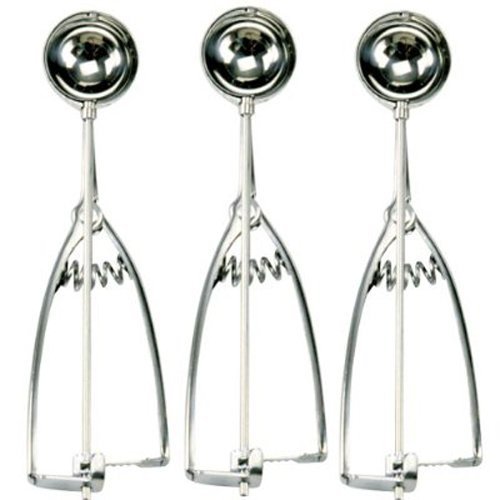
Cookie dough scoops are great to have to make sure all your cookies are uniform in size.

Cookie scoops come in three sizes: small, medium, and large.

A small size cookie scoop is sometimes referred to as a teaspoon size scoop. It actually holds about 2 teaspoons dough.

A medium size scoop can also be called a tablespoon scoop. It holds just over 1-1/2 Tablespoons dough.

A large size scoop is made for making bigger cookies. It holds 3 Tablespoons dough.

Sometimes you will be making jumbo size cookies. The recipe will specify using a 1/4 cup dough per cookie. In these cases, you can use an ice cream scoop instead of a measuring cup.

I love my cookie scoops.
They aren’t essential, but they are less messy and very convenient.

The cookies come out great looking every time too.